
Table of contents
- Project: Start Here: Floreana Island Giant Tortoises Decisions
- Timing Notes That Matter
- Wildlife Windows and How to Catch Them
- Logistics That Decide Your Experience in Floreana Island Giant Tortoises
- Hike: Best Fit: Priorities That Justify the Spend
- The: Packing for Discover (The Non-Optional Stuff) (Biosecurity
- FAQ: Practical Answers, No Hype in Floreana Island Giant Tortoises
- What unique insights can I gain about Floreana's giant tortoises during my visit?
- How do conservation efforts differ from other Galapagos islands?
- What types of luxury cruise itineraries include visits to Floreana?
- How should travelers prepare for the biosecurity measures in place on the island?
- What specific activities will enhance my understanding of the ecological restoration project?
In the Galapagos, “historic” is not a word you use lightly. The archipelago compresses time: lava fields that still feel new, ocean currents that collide like competing theories, and animals that look as though evolution paused mid-sentence to admire its own work.
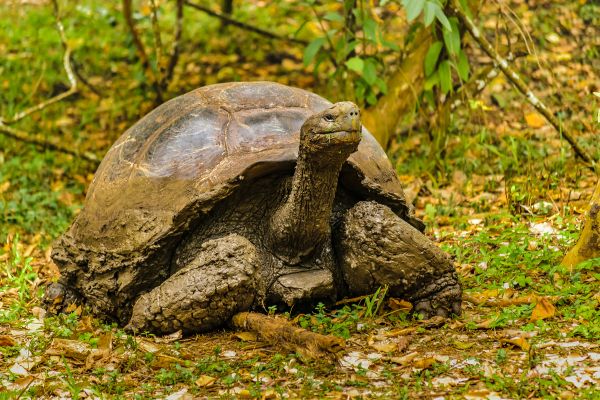
Floreana, the southern sentinel of the islands, has always carried a certain gravity. It was once home to tens of thousands of giant tortoises, slow, massive herbivores that quietly shaped the landscape. Then humans arrived, and the story turned. By the mid-1800s, Floreana’s tortoises were gone from the island, wiped out by exploitation and compounded by introduced species. In February 2026, conservation teams released 158 juvenile tortoises onto Floreana, marking the first return of Floreana-lineage giants in generations.
For intellectually curious travelers, this is the rarest kind of luxury: not just access, but context. You are present at a turning point where ecology, genetics, and ethics converge.
Key Takeaways – What Matters Most
-
The return of Floreana's giant tortoises lets visitors observe an active ecological restoration—if you want to see conservation in practice, prioritize itineraries with in-depth Floreana stops.
-
Accessing Floreana’s restoration sites often requires committing to cruise schedules with built-in interpretative programs and conservation discussions—land-based or ad hoc visits are rarely permitted.
-
Strict biosecurity and gear-cleaning measures are enforced for all visitors; failure to follow protocols risks harming native species and may limit your ability to join certain activities or landings.
Project: Start Here: Floreana Island Giant Tortoises Decisions
Floreana’s giant tortoise reintroduction—158 juveniles released into their native highlands in February 2026—represents a rare chance to witness species recovery as it unfolds. For travelers who want more than surface-level wildlife viewing, this project provides a lens into the ongoing negotiation between local communities, conservation biologists, and ecological realities. If you care most about seeing conservation up close, select trips that include behind-the-scenes access, natural history hikes into the release zones, and in-depth sessions with guides trained in genetics and Galapagos history.
Be prepared for tight visitor controls and structured programming that may fix the pace of your visit. Tradeoffs include less flexibility compared to some other Galapagos islands, and activities shaped by the priorities of the Floreana Ecological Restoration Project. For those ready to grapple with real-world conservation tradeoffs—such as the complexities of restoring Floreana-lineage tortoises to altered habitats—this experience can be rewarding in a way that classic wildlife watching cannot match. Floreana’s volcanic highlands, reptile enclosures, and community conservation initiatives provide specificity you won’t find elsewhere in the archipelago.
Timing Notes That Matter
Floreana is accessible year-round, but two key factors shape the quality of your wildlife observations and experience: seasonal activity cycles and itinerary schedules. If your main goal is to maximize sightings of active wildlife—such as juvenile tortoises and endemic birds—plan visits between June and December, when both the highland and coastal ecosystems are most dynamic and visitor quotas are managed to reduce crowding. This timing also supports cooler, drier weather, which makes guided hikes to tortoise release sites more comfortable but can bring cloud cover and brisk winds that affect boat crossings and visibility.
If you want the best odds of participating in naturalist-led activities and observing evidence of tortoise impact, choose departures that coincide with monitoring or public outreach events—these are often calendared within the June-December window. However, trip flexibility is limited: cruises schedule Floreana landings months in advance, and unpredictable weather or logistical changes can require itinerary adjustments or shorter landings, especially between islands like Espanola and Santa Cruz. Prioritize a cruise that demonstrates proven reliability on Floreana stops if this island is central to your trip.
Wildlife Windows and How to Catch Them
Catching Floreana’s wildlife highlights means more than ticking off species from a checklist. If your priority is meaningful encounters with Floreana tortoises and endemic birds such as the Floreana mockingbird, you’ll need to match your timing and trip type to key behavioral windows. Naturalist-led highland hikes provide access to recently repatriated juvenile tortoises and habitats under active restoration, but these walks can be physically demanding—expect uneven, volcanic terrain and the occasional wet landing requiring agility and secure footwear.
Tradeoffs include accepting that wildlife is unpredictable: you may see juvenile tortoises basking near reforestation zones or, on some days, only subtle signs of ecological change such as trampled vegetation or fresh dung piles. Prioritize guided excursions with biologists or Galapagos specialists who interpret both the visible impacts and subtle traces left by reintroduced fauna. Specific anchors—like the presence of Floreana’s old corrals, volcanic slopes, or habitat plots—signal you’re in the right place to assess restoration in progress, rather than simply passing through on a generic island tour.
Logistics That Decide Your Experience in Floreana Island Giant Tortoises
Itinerary C aboard the Eco Galaxy Catamaran positions Floreana within a broader scientific narrative rather than presenting it in isolation. By visiting the Santa Cruz Highlands and the Charles Darwin Research Station before arriving to Floreana, guests gain essential context on giant tortoise conservation and managed breeding programs. This sequencing strengthens your understanding of the Floreana tortoise lineage debate and hybrid conservation Galapagos efforts.
Floreana is explored on Day 4 through Punta Cormorant and Post Office Bay, combining ecological observation with human history. The historical whaling legacy directly connects to the genetic story behind today’s restoration program. While there is no extended highland access on Floreana, the interpretive framing provides meaningful conservation insight within regulated park parameters.
Operationally, the small-capacity Eco Galaxy catamaran supports structured landings and efficient snorkeling logistics at Devil’s Crown. The vessel format ensures guided interpretation, compliance with biosecurity protocols, and a balanced pace across six days. For travelers seeking a luxury Galapagos cruise with intellectual depth and multi-island context, this itinerary offers strategic breadth.
Key Considerations of Itinerary C:
-
6-day expedition with Floreana scheduled on Day 4
-
Pre-Floreana visits to Santa Cruz Highlands and Charles Darwin Station
-
Landings at Punta Cormorant and Post Office Bay
-
Snorkeling at Devil’s Crown under park-regulated access
-
Small catamaran format with guided naturalist interpretation
-
No extended Floreana highland restoration zone access
-
Strong integration of wildlife, marine systems, and conservation science
Hike: Best Fit: Priorities That Justify the Spend
Committing to hiking on Floreana is about choosing depth over breadth. If learning in the field matters most to you—such as following tortoise tracks through lava fields or seeing the results of habitat restoration first-hand—invest in guided trail excursions rather than classic sightseeing stops. The volcanic trails are physically challenging, requiring stamina and readiness for uneven footing, sometimes under hot sun or sudden drizzle.
The main constraint is that these guided hikes are typically scheduled during designated landing windows, meaning early starts, fixed group sizes, and less flexibility in hiking pace or route. By participating in these excursions, you gain insight into the ecological consequences of decades-long interventions and the real-time changes brought by tortoise reintroduction. The interaction between the rugged highlands, patchwork reforestation, and stories shared by your guide helps justify both the financial and physical spend—these experiences are unavailable on standard cruise circuits or quick land visits.
The: Packing for Discover
Biosecurity on Floreana is not a formality—it's a non-negotiable condition of visiting areas affected by the tortoise restoration. If minimizing ecological risk is your priority, pack the following and prepare for traveler-specific protocols enforced by both park staff and naturalist guides:
-
Closed-toe shoes for hiking rugged volcanic trails (required for highland and restoration site visits).
-
Reusable water bottles, to comply with plastic reduction mandates on Floreana and minimize single-use trash brought onshore.
-
Eco-friendly sunscreen and insect repellent to prevent contamination of waterways and sensitive soils.
Before arriving, inspect and clean all gear to make sure it’s free from soil, seeds, and plant material. Upon landing, you may be asked to step through disinfectant baths or allow your bag to be checked. The key constraint is that failure to meet these requirements can restrict your access to the highlands and exclude you from conservation-focused excursions—so preparation is both a matter of principle and a logistical necessity for the trip you want.
FAQ: Practical Answers, No Hype in Floreana Island Giant Tortoises
What unique insights can I gain about Floreana's giant tortoises during my visit?
Your visit lets you trace the impact of reintroduced tortoises on real habitats—such as changes in vegetation and nesting behavior—while participating in naturalist-guided walks that unpack conservation challenges, not just success stories, in restoration efforts.
How do conservation efforts differ from other Galapagos islands?
Compared to broader archipelago projects, Floreana’s program is highly targeted: restoring its own tortoise lineage and focusing on how these animals reshape the island’s ecology, even when genetic purity must be balanced with broader ecosystem recovery.
What types of luxury cruise itineraries include visits to Floreana?
Choose cruise itineraries that explicitly include Floreana landings and offer expert-led activities—such as highland hikes and conservation briefings—rather than generalized shore excursions. Prioritize trips that highlight Floreana’s role in active restoration versus itineraries treating the island as a secondary stop.
How should travelers prepare for the biosecurity measures in place on the island?
Clean and inspect your hiking and luggage gear before travel, review biosecurity guidance from your operator, and respect all cleaning and disinfection procedures on arrival; not following these rules may prohibit participation in key landings or hikes.
What specific activities will enhance my understanding of the ecological restoration project?
Join scheduled hikes to restoration zones, and opt into discussions led by naturalists and project staff—these deepen your grasp of how tortoise movements, community involvement, and ongoing challenges shape Floreana’s recovery.